Leaving a job is a significant career milestone, and how you handle your departure can have a lasting impact on your professional reputation. While it may be tempting to focus on frustrations or excitement about your next opportunity, approaching your resignation thoughtfully can help maintain valuable relationships and ensure you leave on good terms.
Whether you've enjoyed your role or are eager to move on, professionalism should remain your priority. The business world is often smaller than it seems, and former managers, colleagues, and employers can become future referees, clients, or networking contacts. A respectful and courteous departure can support your long-term career success.
The Importance of Timing
Before notifying your current employer, make sure your next opportunity is secure. Ideally, this means you have received a formal written offer and signed the relevant employment documentation.
At this stage, you should also be aware of your contractual notice obligations. Your employment agreement will typically outline the required notice period, which should already have been considered when discussing a start date with your new employer.
Once everything is confirmed, communicate your resignation promptly. Providing adequate notice demonstrates professionalism and gives your employer time to plan for your departure. While some organisations may agree to a shortened notice period, it is best to assume you will be expected to complete your full notice.
If you also have the opportunity to stay slightly beyond your confirmed notice period and help the firm find a replacement it can demonstrate compassion for the situation.
Following the Right Resignation Process
Your direct manager should always be the first person informed of your decision to resign. Avoid discussing your departure with peers, team members, or senior leaders before speaking with the person you report to.
If you're feeling uncertain about how to approach the conversation, seek advice from trusted sources outside your workplace, such as family members, mentors, HR representatives, recruitment consultants, or close friends.
Conducting the Resignation Conversation
A face-to-face discussion is always the most professional way to resign. If an in-person meeting is not possible, a video call is usually the next best option. If you opt to resign through an email or a text message, in most cases this will be received negatively, given the lack of personal touch this has. Remember that leaving on good terms will always benefit in the long-run.
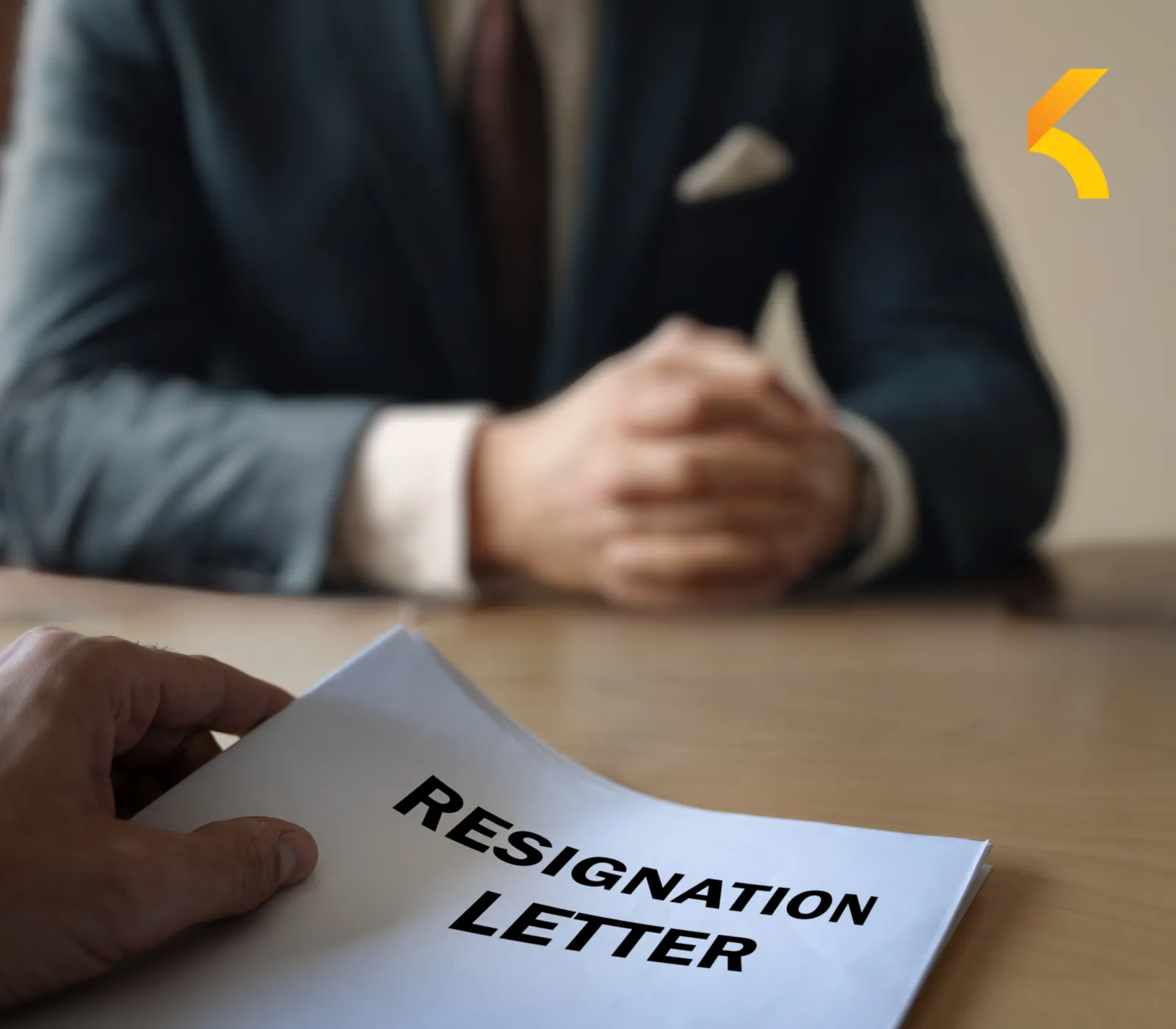
Plan your message beforehand and keep it simple, respectful, and focused. Bring a formal resignation letter to the meeting and use it to confirm your intentions.
Keep in mind that your manager may be surprised by your decision, especially if they were not aware you were considering a move. Their reaction could range from disappointment to frustration. Regardless of their response, remain calm, composed, and professional.
During the discussion:
Clearly communicate your decision.
Avoid lengthy debates about your reasoning.
Focus on gratitude and positive experiences where possible.
Keep the conversation constructive and forward-looking.
End the meeting respectfully.
Your manager may ask questions about your new role or employer. While you can share information if you're comfortable, remember that the primary purpose of the meeting is to formally communicate your resignation.
Before finishing the discussion, it is important to clarify with the senior leadership team, how your resignation will be communicated to the wider team and business. While you may prefer to lead this, it is ultimately at the decision of your manager. Until formal communication has been made, it is best to keep everything confidential.
Evaluating a Counter-Offer
In some cases, your employer may attempt to retain you by offering a pay increase, promotion, or other incentives. While receiving a counter-offer can be flattering, it is important to carefully evaluate the situation before making a decision.
Rather than focusing solely on the financial benefit, revisit the original reasons that led you to explore new opportunities. Consider whether those issues will genuinely change if you stay.
Questions worth asking include:
What motivated me to search for a new role?
Are the underlying concerns being addressed?
Would I have stayed if this offer had been presented earlier?
Does accepting the counter-offer align with my long-term career goals?
It's also important to remember that you have already committed to another employer. Withdrawing from an accepted offer can cause complications for the employer who has offered you. You need to remember the exciting opportunity at hand and focus on looking forward.
If you're considering a counter-offer, take time to reflect rather than making an immediate decision. Seeking advice from a trusted mentor, recruiter, or career advisor can also provide valuable perspective. This is because they bring an objective viewpoint and are less influenced by the emotions that often accompany a resignation and retention discussion. They can help you assess whether the counter-offer addresses the underlying reasons you wanted to leave, or simply offers a short-term incentive to stay. Ultimately they can assess certain risk that you may overlook due to your loyalty to your current firm.
Drawing on their experience and knowledge of the job market, they can also help you compare both opportunities more holistically, considering factors such as career growth, workplace culture, long-term goals, and potential risks, enabling you to make a more informed and balanced decision.
Harvard Business Review has cited research suggesting that around half of employees who accept a counter-offer are no longer with that employer within 12 months.
Writing a Resignation Letter
A resignation letter should be concise, professional, and factual.
The letter should include:
A clear statement that you are resigning.
The date of your resignation discussion.
Your intended final working day.
Appreciation for the opportunities you have received.
There is no obligation to explain your reasons for leaving or identify your future employer.
Within the letter it is always better to express gratitude rather than expressing grievance with why you are leaving. It’s simply not necessary at this part of the exit process! You also want to maintain a positive relationship with your ex-employer in every sense.
Maintaining Professionalism During Your Notice Period
Submitting your resignation does not signal the end of your responsibilities. Until your final day, you remain employed and are expected to perform your duties to an appropriate standard.
A strong notice-period approach includes:
Maintaining your usual level of productivity.
Completing outstanding projects where possible.
Documenting key processes and responsibilities.
Supporting the transition of your workload.
Offering training or guidance to colleagues who will assume your duties.
The impression you leave during your final weeks is often what colleagues and managers remember most. Demonstrating commitment and professionalism can strengthen future references and preserve valuable relationships.
Making the Most of an Exit Interview
Some organisations may conduct an exit interview as part of the resignation process. These discussions are typically facilitated by HR or an independent manager and are designed to gather feedback from departing employees.
You are entitled to decide how much information you share. However, if you choose to provide feedback, focus on offering balanced and constructive observations rather than personal criticism.
Helpful feedback generally focuses on:
Workplace processes.
Culture and engagement.
Career development opportunities.
Organisational improvements.
Avoid personal attacks or emotional commentary. At the end of the day, you want to focus on maintaining your own reputation, rather than damaging another reputation, that often says more about you than it does the organisation!
Looking Ahead
Resigning from a role marks the beginning of a new chapter. By approaching the process with respect, professionalism, and emotional maturity, you can protect important relationships and position yourself for ongoing career success.
A well-managed resignation not only supports a smooth transition for your current employer but also helps ensure that you leave with your reputation intact and your professional network stronger than ever.